The 2026 Hospitality Design Trends Shaping Travel This Year
RSP’s Erin Yi and Hande Obuz offer a forward-looking perspective on 2026 hospitality design trends, highlighting the moves that are redefining comfort, service, and experience across the industry.
Hospitality spaces are under new pressure to perform emotionally, operationally, and culturally all at once. Is the design community up for the challenge?
We recently explored authenticity and hyper-local design, two of the most influential forces shaping hospitality today. Those ideas remain foundational, but they are only part of the story. As guest expectations continue to evolve, and AI continues to seep into every aspect of our lives, hospitality design is becoming more intentional, more expressive, and more human.
Here is our take on the trends we see shaping the next chapter of hospitality design, informed by what we are hearing from clients, operators, and travelers.
Ease Is the New Amenity
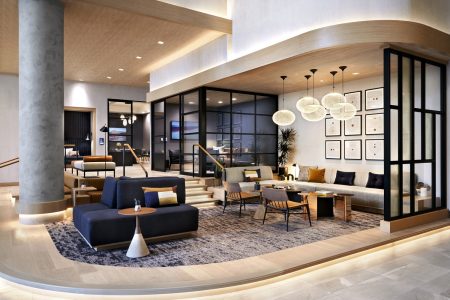
Guests still want memorable experiences, but increasingly they want them without friction. Thoughtful hospitality design anticipates needs before they arise. Clear circulation, intuitive layouts, seamless arrival moments, and flexible spaces all contribute to a sense of ease, and a sense of place, that the best operators embrace.
When a guest moves through a hotel, resort, or restaurant without confusion or delay, the experience feels elevated without calling attention to itself. The most successful spaces today are the ones that quietly say, That was easy.
Luxury That Works as Hard as It Looks
Luxury has shifted from surface-level elegance to a deeper alignment between design, service, and operations. Beautiful spaces must also support staff workflows, operational efficiency, and high-touch service.
When back-of-house planning is as intentional as the guest-facing experience, teams are empowered to deliver hospitality that feels effortless and personal. Design becomes a tool that enhances service rather than something that competes with it.
Color with Confidence
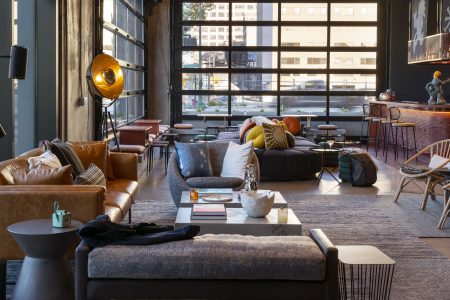
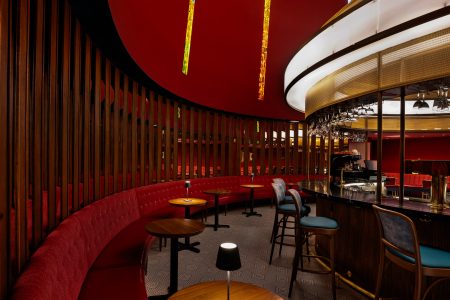
After years of restrained palettes and tonal subtlety, color and texture are making a confident comeback. Rich hues, graphic patterns, and expressive materials are re-emerging as tools for storytelling and identity.
This shift is not accidental. Color trends tend to move in long cycles, and those of us who have been in the industry long enough recognize the rhythm. As cultural appetite swings away from minimal restraint, hospitality spaces are responding with warmth, personality, and visual optimism.
Wellness as a Catalyst for Change
Wellness has expanded far beyond the spa. Today’s guests are seeking experiences that leave them feeling transformed, grounded, or re-energized in meaningful ways.
Design plays a critical role in this shift. Spaces for reflection, learning, mindfulness, and restoration are becoming integral to the hospitality experience. According to industry research, wellness tourism is heavily bolstering overall travel growth, reinforcing the demand for environments that support mental, emotional, and physical well-being.
Influencers Over Institutions
Trust in traditional brands is changing, while peer-driven influence continues to grow and cynicism takes firmer root in the Zeitgeist. Travelers are increasingly guided by creators and influencers who feel authentic, relatable, and experiential…even though they may be backed or sponsored as heavily as any corporate brand.
This shift has direct implications for designers as much as consumers. Spaces must not only function well but also tell a story visually. Guests gravitate toward environments that feel personal, layered, and worth sharing. Research shows that influencer-led travel recommendations now play a significant role in hospitality decision-making, reshaping how destinations are discovered and evaluated.
It also means the dialogue is changing, almost entirely down generational lines. Those sources of travel information that many of us once relied on are no longer as reliable or as current as they once were.
Technology Should Support People, Not Replace Them
Technology remains one of the most nuanced conversations in hospitality. Guests are growing increasingly comfortable with digital tools that remove friction, such as mobile check-in or in-room controls. At the same time, staff often feel uncertainty about how technology affects their roles.
The opportunity lies in balance. Technology should simplify repetitive or tedious tasks and free teams to focus on what matters most: human connection. Hospitality is, at its core, a social experience. Design should ensure that technology enhances warmth rather than diminish it.
Beyond 2026 Hospitality Design Trends
Across all of these trends, one principle remains constant. The most successful hospitality design listens carefully to people. It responds to and even anticipates how guests move, gather, rest, and connect, while supporting the teams who make those experiences possible.
At RSP, our team sees hospitality spaces as living environments shaped by culture, behavior, and emotion. As expectations continue to shift, thoughtful, human-centered design will remain the foundation of places guests want to return to again and again.
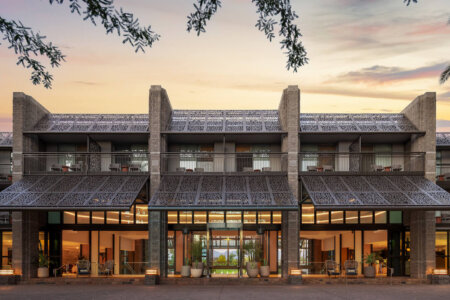
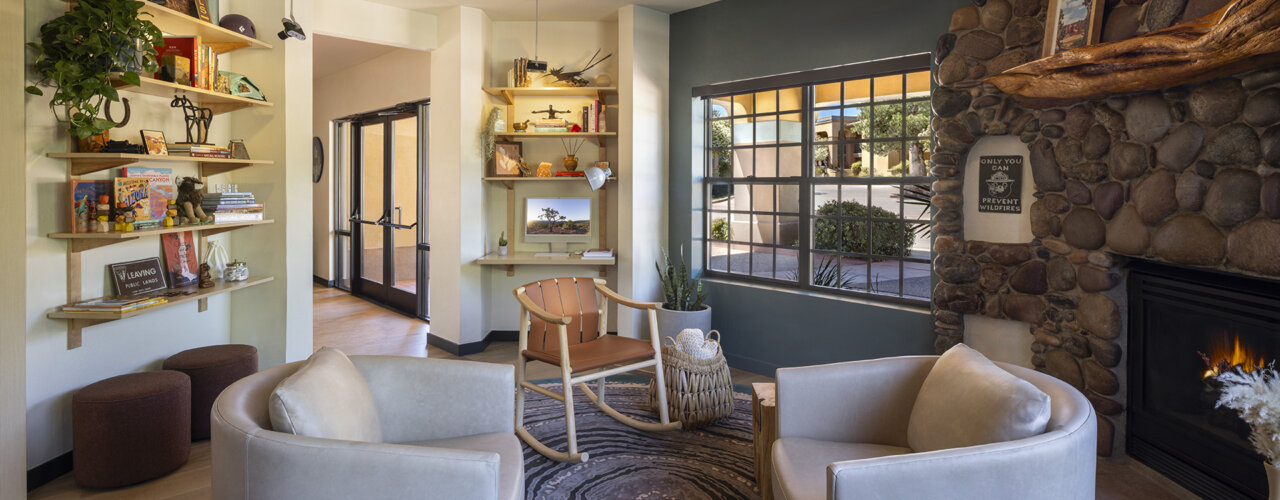
Pictured: Mountain Modern Sedona | Photography Credit: Sheets Studios
ABOUT THE AUTHORS